

Our Services
Dry Needling
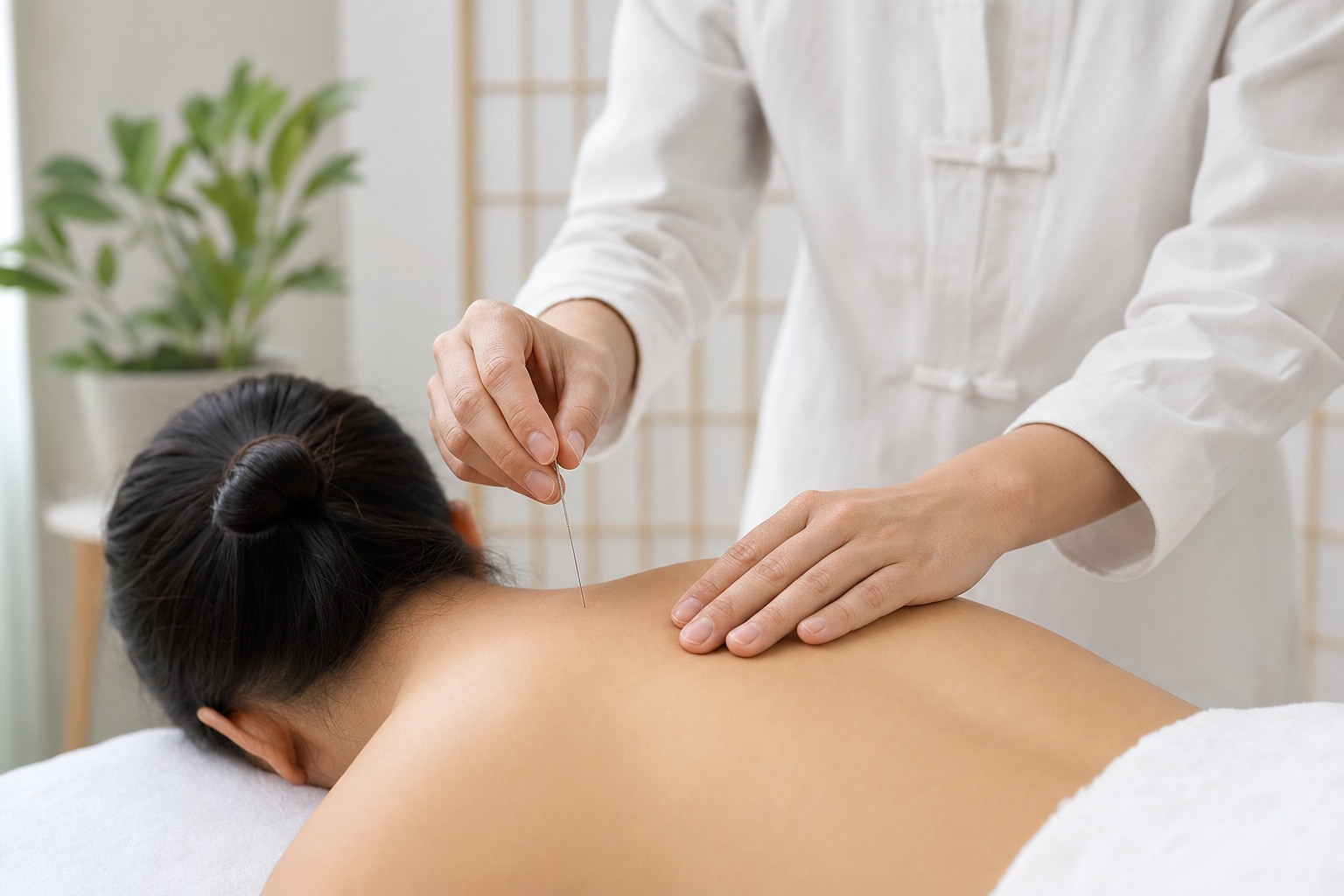
Dry needling uses thin needles into tight muscle bands to reduce trigger point activity and pain. It is combined with movement and exercise so relief lasts.
What this treatment helps with
- Quick relief for muscle knots
- Improved muscle activation
- Less referred pain
- Pairs well with exercise rehab
How we assess you
Every plan starts with a clear picture of your symptoms, movement, and goals.
-
1
Trigger point map
We locate tight bands and referred pain patterns.
-
2
Medical screen
We confirm needling is appropriate for your health history.
-
3
Consent and education
We explain sensations, risks, and aftercare.
-
4
Movement link
We connect needle targets to how you move daily.
How we treat your condition
Techniques are chosen from your assessment, not a one size fits all menu.
Local needling
Brief insertion into identified trigger points.
Movement after care
Gentle activation exercises post session.
Soft tissue work
Manual release when needed alongside needling.
Load management
Adjust activity until tissue settles.
Typical recovery timeline
Timelines vary by person. These phases show what many patients experience.
Post session
Day 1Mild soreness possible. Light movement encouraged.
Integration
Week 1 to 2Combine needling with stretching and strengthening.
Resolution
Week 2 to 6Symptoms fade as movement improves.
Patient case studies
Real recovery paths from our Calgary clinic. Names and details are changed for privacy.
Trades worker, 36 Persistent shoulder knot from overhead work 4 weeks
We mapped a persistent infraspinatus trigger point referring pain into the deltoid. Dry needling was paired with rotator cuff activation exercises and scapular stability drills performed before and after overhead work shifts.
Night pain that kept him awake eased after the second session. By week four he could complete a full day of overhead work without needing ice at home. He still does a ten minute shoulder routine before demanding jobs.